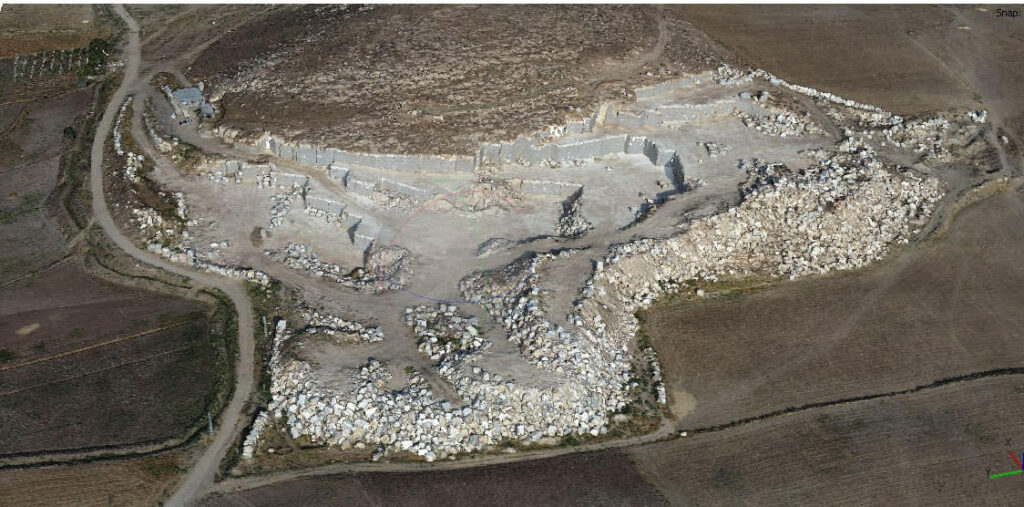
Open-pit mining operations, while essential for extracting valuable minerals and resources, often leave behind vast landscapes of environmental devastation. These large-scale excavations result in the complete removal of vegetation, severe soil erosion, contamination of groundwater and surface water with heavy metals and toxic chemicals, and significant loss of biodiversity. The exposed rock faces and waste dumps can remain unstable for decades, contributing to dust pollution, acid mine drainage, and long-term degradation of ecosystems that once supported diverse flora and fauna. Without intervention, these scarred sites continue to pose risks to surrounding communities and natural habitats, turning productive land into barren wastelands that hinder regional ecological recovery and sustainable land use.
Reclaiming these disturbed open-pit mining areas is therefore not merely an environmental courtesy but a critical necessity for restoring ecological balance and fulfilling ethical and regulatory responsibilities. Successful reclamation involves backfilling pits, reshaping landforms, stabilizing slopes, treating contaminated water, and revegetating with native species to rebuild habitats. This process mitigates ongoing pollution, supports climate resilience by sequestering carbon through new vegetation, and can create opportunities for alternative land uses such as agriculture, recreation, or wildlife conservation. Ultimately, proactive mine reclamation ensures that the economic benefits of mining do not come at the irreversible expense of future generations’ environmental health, promoting a more sustainable model for resource extraction worldwide.